A relationship is a fact like any other and has to be proved like one. Records establish part of it, a birth entry, a marriage certificate, an adoption order, and those records carry gaps, particularly where they were made in a system that recorded less or recorded it differently. Where the documents run out or are doubted, the case is built instead from the ordinary traces of a shared life. This subject sets out what each kind of record establishes and what stands in for it when nothing was ever written down.
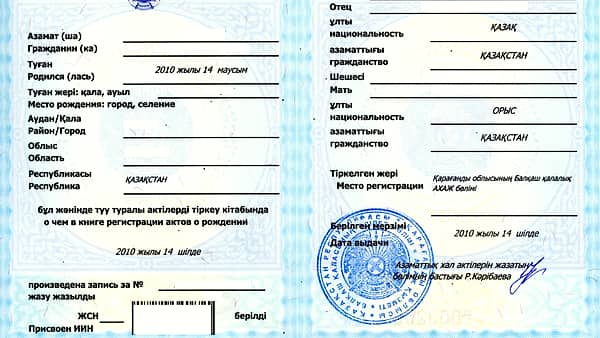
A birth record establishes that a registration was made and what it stated. Contemporaneous entries made by an informant with direct knowledge are close to conclusive. Late registrations, entries based on somebody else's later account, and systems that recorded limited information all support less, and the differences matter when parentage is questioned.
Photographs show that people were together on particular occasions and correspondence shows that they communicated. Neither establishes the nature of a relationship, and both exist in volumes that make selection visible. Their real value is showing continuity across a period, with dates and context, rather than proving any individual fact.
A useful declaration identifies the writer, explains how they came to know the people involved, and describes specific things they observed with dates and places. Statements that assert conclusions, omit the basis of knowledge, or arrive in identical wording from several people are discounted heavily and can damage a file rather than support it.
Joint accounts, shared liabilities and mutual designations are among the most persuasive evidence of a relationship, because third parties verified the arrangements for their own reasons. Their weight comes from duration and from actual use rather than from existence. Couples who keep finances separate are common, and the reason for that should appear in the file.
Where no civil record exists, a relationship is established through a formal statement of unavailability, secondary documents created for other purposes, and detailed statements from people with direct knowledge. What carries such a file is consistency: several independent sources recording the same names, dates and places, assembled so that a reader can see them agreeing.
Establishing a relationship generally combines civil registry records, evidence of a life shared over time and statements from people who observed it. Registry records are the strongest and are frequently incomplete or unavailable. Shared life evidence fills gaps and is easy to assemble badly. Most cases that fail did so because they relied on one route alone.
Step relationships arise where a parent marries somebody who is not the child's other parent. Most frameworks impose an age condition, requiring the marriage to have taken place before the child reached a defined age, and many require the marriage itself to be valid and subsisting. Whether the relationship survives divorce or death depends entirely on the provision being used.
Foreign divorce documents raise a documentary question and a legal one. The documentary question is authentication and translation. The legal question is whether the dissolution is recognized, which typically turns on the residence or domicile of the parties, whether both had notice and an opportunity to participate, and whether the granting body had authority. Religious dissolutions raise a further issue.
Adoption transfers legal parentage permanently. Guardianship confers responsibility without changing parentage and usually ends at a defined point. Legal parentage can also arise by registration, acknowledgment or presumption. Which one a document created depends on the law of the place and on what the order actually says, not on the label at the top of the page.
Where a marriage is questioned, the inquiry is generally into what the parties intended when they entered it rather than into how the relationship looks now. Contemporaneous documents from the period around the marriage, a consistent account from both parties and evidence of a shared life are what answer it. Inconsistency damages a genuine case more than any single adverse fact.
Evidence of cohabitation is drawn from documents created for ordinary purposes that happen to record two people at the same address over time. Continuity across the whole period matters more than the quantity from any part of it, and material generated for the proceeding carries far less weight than material generated by simply living.
A marriage record establishes that a ceremony took place and was registered. It does not establish that the marriage was valid under the governing law, that earlier marriages had properly ended, or that the marriage continues. Customary and religious ceremonies raise a further question about whether registration occurred at all, and unregistered unions need a different evidential approach.