A Marriage Questioned as Not Genuine
A doubt about a marriage is a doubt about intention at a single moment: whether the parties meant to build a life together when they married. Everything filed afterwards, and everything they say about it later, is read as evidence about that one moment.
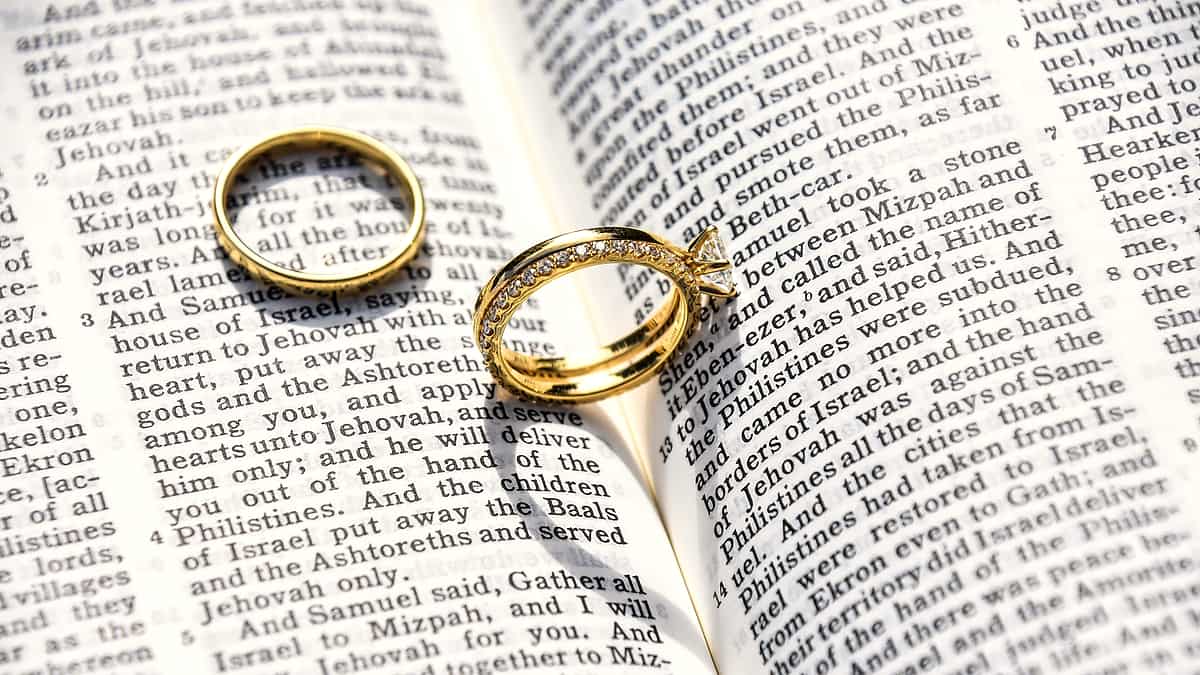
The rule in short
Where a marriage is questioned, the inquiry is generally into what the parties intended when they entered it rather than into how the relationship looks now. Contemporaneous documents from the period around the marriage, a consistent account from both parties and evidence of a shared life are what answer it. Inconsistency damages a genuine case more than any single adverse fact.
A questioned marriage is not an accusation that people dislike each other. It is a question about what they intended when they married, asked years afterwards, and answered with whatever the intervening period happened to record.
What is actually in issue
Intention at the time. The inquiry is generally into whether the parties intended to establish a life together when they married, rather than into the current state of the relationship.
Not whether the marriage succeeded. Relationships end for ordinary reasons, and a marriage that later broke down was not necessarily entered into without intention.
Not whether it looks conventional. Arranged introductions, large age differences and short courtships are common worldwide and are not evidence of anything by themselves.
An immigration benefit is not the test. Many genuine marriages produce an immigration advantage, and that consequence does not establish the purpose.
The whole record is read. Documents, statements, interviews and the history of both parties are assessed together rather than item by item.
A finding travels. An adverse determination on this question has consequences beyond the immediate application, which is why it is defended carefully.
Both parties are examined. The account of each party is assessed separately and then against the other, which is where most of the difficulties in these cases emerge.
Documents outweigh impressions. A contemporaneous record from the relevant period settles a point that no amount of later description can, which is why the file matters more than the presentation.
Evidence from the relevant period
Documents from before the marriage. Correspondence, travel records, introductions and evidence of the courtship establish the context that later material cannot.
The wedding itself. Who attended, who paid, what was arranged and what was recorded all speak to whether the event was treated as significant.
Family involvement. Participation by relatives on both sides, documented at the time, is among the more persuasive material available.
Immediate aftermath. Where the parties lived, what changed, and what was arranged in the following months establish what was intended.
Financial steps taken then. Accounts opened, policies changed and designations made around the marriage are contemporaneous and were made for their own reasons.
Later material still matters. A continuing shared life supports the inference about intention, per cohabitation and proving a life together.
| Concern raised | Weak response | Strong response |
|---|---|---|
| Short courtship | It is normal | Documented history of the introduction |
| Living apart | Denial | Records showing why and for how long |
| Few joint documents | More photographs | Explanation plus shared cost records |
| Accounts differ | Assert consistency | Documents settling the point |
| Money transferred | Silence | A plain account with records |
Consistency, and why it decides cases
Two accounts are compared. Where both parties describe the same history, differences in detail are noticed and weighed, sometimes heavily.
Ordinary memory differs. Genuine couples disagree about dates, sequences and who said what, and the existence of a difference is not itself significant.
Patterns are what matter. A consistent picture with minor variation reads as memory; systematic divergence about central facts reads differently.
Documents anchor the account. Where a description is supported by a record from the time, the record settles the point and the memory becomes secondary.
Preparation is legitimate. Reviewing the actual history before answering questions about it is sensible, and rehearsing a script is not and is visible.
Contradicting a document is serious. An account inconsistent with a record already in the file is more damaging than any gap, per the document that contradicts the record.
Files respond to these questions with material about how the relationship looks now, and the question is about what the parties intended when they married. Documents from the six months either side of the wedding are worth more than anything produced since.
Circumstances that attract questions
A short interval before filing. A marriage shortly followed by an application is entirely ordinary and predictably attracts attention, so the history should be documented.
Periods living apart. Work, study, visa restrictions and family obligations separate couples routinely, and the explanation should be in the file already.
Large differences in background. Age, language, religion and nationality differences are common in real marriages and generate questions that deserve straightforward answers.
A prior questioned marriage. Where either party has a history in this area, the current case is examined against it, and the earlier record needs addressing.
Limited shared documentation. Couples who keep finances separate or live with family produce thin files, which is a documentation problem rather than a genuineness one.
Payments between the parties. Money moving between them at the time of the marriage requires an explanation, and an honest one is usually unremarkable.
Responding to a challenge
Read what is actually alleged. Challenges identify specific concerns, and a response addressing everything except those concerns achieves nothing.
Answer each point directly. A structured response taking each concern in turn is far more effective than a general assertion that the marriage is real.
Supply the missing period. Where a gap prompted the question, filling it with contemporaneous material is the most direct answer available.
Explain rather than deny. An unusual fact with a plain explanation is neutralized, while a denial contradicted by a record makes everything worse.
Get statements from people who were there. Declarations describing the courtship and the wedding, written properly, address the intention question directly, per affidavits from people who knew them.
Take it seriously from the start. An adverse finding is difficult to displace afterwards, and the first response is the one that matters most.
A questioned marriage is an inquiry into intention at a particular moment, and everything in the file is read as evidence about that moment rather than about the present state of the relationship.
Material from the period around the marriage carries the most weight: the courtship, the wedding itself, who attended, what was arranged immediately afterwards and what financial steps were taken then.
Consistency between the two accounts decides more of these cases than any single adverse fact. Ordinary memory differs about details, and systematic divergence about central facts reads very differently.
The circumstances that attract questions are mostly ordinary: short courtships, periods apart, differences in background, thin documentation. Each has a plain explanation, and the explanation belongs in the file rather than in a later response.
A finding on this question closes options that were previously available and opens a much narrower set, which is why the first response matters more than anything filed afterwards. Where an adverse determination has already been made, an immigration waivers lawyer is the person to ask about what remains open.
Where a challenge arrives, it should be answered point by point with contemporaneous material, and it should be taken seriously immediately, because an adverse finding is far harder to displace than to prevent.
Points to carry away
- The question is intention at the time of the marriage.
- Contemporaneous documents from that period matter most.
- Inconsistency between accounts does more damage than any single fact.
- Unusual circumstances need explaining, not concealing.
- An adverse finding has consequences well beyond the application.
Questions readers ask
What exactly is being assessed when a marriage is questioned?
Generally, whether the parties intended to establish a life together at the time they married. It is a question about intention at one moment, asked afterwards, and answered with whatever evidence the intervening period produced. It is not an assessment of whether the relationship succeeded, whether it looks conventional, or whether an immigration advantage followed from it. Many entirely genuine marriages produce such an advantage, and many end for ordinary reasons, and neither fact establishes what was intended at the outset.
Do differences between the two accounts mean a marriage is not genuine?
No, and decision-makers know that ordinary memory diverges. Genuine couples disagree about dates, sequences, who said what and what color something was, and isolated differences of that kind are expected. What matters is the pattern. A broadly consistent picture with minor variation reads as two people remembering; systematic divergence about central facts, or accounts that contradict documents already in the file, reads very differently. Reviewing the actual history beforehand is sensible; rehearsing a script is visible.
What is the best response to a challenge of this kind?
A structured reply addressing each stated concern in turn, supported by contemporaneous material from the period around the marriage. General assertions that the relationship is real add nothing, and additional photographs rarely help. Where a gap prompted the question, fill it with documents from that period. Where an unusual fact prompted it, explain the fact plainly rather than avoiding it. The first response carries disproportionate weight, because an adverse finding is considerably harder to displace than to prevent.
Sources
- 8 CFR 204.2 — Petitions for Relativesecfr.gov
- USCIS Policy Manual — Family-Based Petitionsuscis.gov
- INA 204(c) — Restriction on Approval of Petitionslaw.cornell.edu
- USCIS Policy Manual — Evidenceuscis.gov
- Federal Rules of Evidence — Rule 401, Test for Relevant Evidencelaw.cornell.edu
- EOIR — Immigration Court Practice Manualjustice.gov
True Justice Record is a publication, not a law firm. This article states general rules and cites its sources; it is not advice about any particular case, and the law differs by state and changes over time.
More in Proving a Relationship
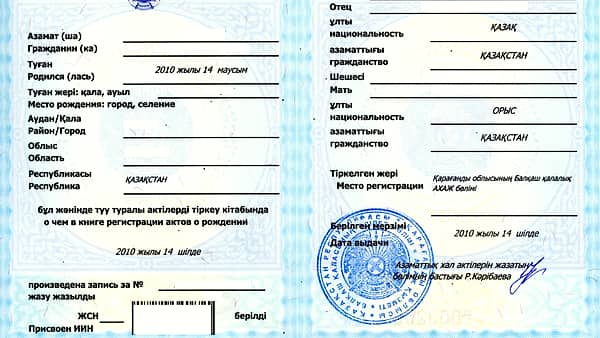
Birth Records and What They Establish
A birth record establishes that a registration was made and what it stated. Contemporaneous entries made by an informant with direct knowledge are close to conclusive. Late registrations, entries based on somebody else's later account, and systems that recorded limited information all support less, and the differences matter when parentage is questioned.
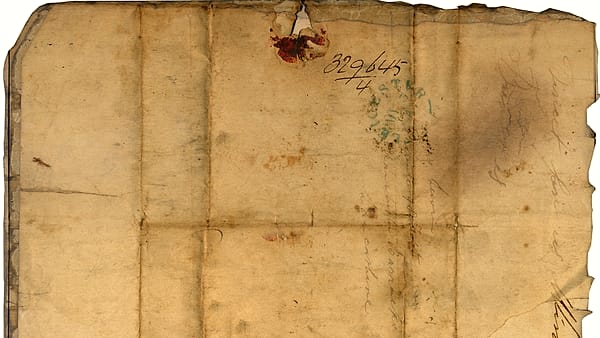
Photographs and Correspondence as Evidence
Photographs show that people were together on particular occasions and correspondence shows that they communicated. Neither establishes the nature of a relationship, and both exist in volumes that make selection visible. Their real value is showing continuity across a period, with dates and context, rather than proving any individual fact.

Affidavits From People Who Knew Them
A useful declaration identifies the writer, explains how they came to know the people involved, and describes specific things they observed with dates and places. Statements that assert conclusions, omit the basis of knowledge, or arrive in identical wording from several people are discounted heavily and can damage a file rather than support it.