An expert is paid for time and analysis, and that arrangement is normal and disclosed. Fee structures tied to the outcome are treated differently and are prohibited in some fields. The questions that carry weight concern contingency, the proportion of a witness's work from one source, and the extent of instructing-party involvement in drafting.
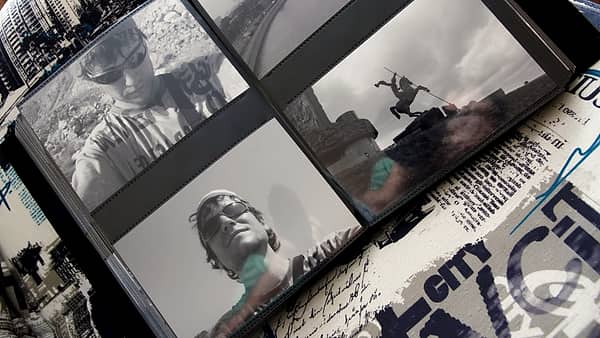
Photographs show that people were together on particular occasions and correspondence shows that they communicated. Neither establishes the nature of a relationship, and both exist in volumes that make selection visible. Their real value is showing continuity across a period, with dates and context, rather than proving any individual fact.
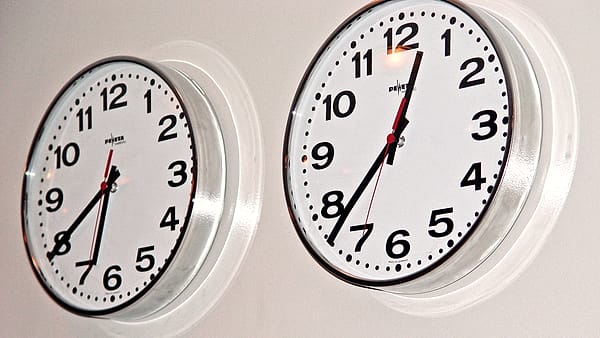
A photograph's recorded time comes from the device's clock, expressed in the zone the device was set to, and stored differently depending on the format. Comparing images from two devices, or one device that traveled, requires establishing both clocks before any conclusion is drawn. Corroboration from a source outside the camera resolves most of these questions quickly.
A police certificate reports what a particular country's criminal records system holds about a named person. Coverage is territorial and time-bound, the definition of a recordable matter varies, and expungement and juvenile rules mean that certificates from two countries about the same person can differ entirely. Certificates from every country of significant residence are usually required.
A police report records the officer's own observations, the accounts given by others, and the officer's conclusion. Only the first of those is direct evidence. The report is frequently inadmissible for the truth of what it contains, though it remains valuable for identifying witnesses, fixing times and establishing what was said at the scene.
Preserving a device means isolating it from networks and from further use, capturing an image of its contents by a method that does not alter them, and documenting who did what and when. Where a full forensic image is impractical, an account export, a structured application export and a systematic photographic record together form a defensible substitute, provided the reason for the constraint is recorded.
Evidence problems are usually created long before anybody anticipates a dispute. Keeping originals, documenting arrangements when they are made, using traceable payments, obtaining records while institutions still hold them and writing brief contemporaneous notes prevent most of the difficulties that later require reconstruction, secondary evidence or explanation.
A prior statement may be used to challenge credibility, in which case it shows only that the witness has said different things. Using it as substantive evidence of what it asserts requires an exception: a statement made under oath in a proceeding, a prior identification, a consistent statement rebutting a charge of recent fabrication, or a party's own admission.
A preponderance is satisfied where a proposition is more probable than its opposite, which is the lowest of the three main standards and the default in civil and administrative matters. Cases at this level are rarely lost because the evidence was not weighty enough. They are lost because an element was left unproved, or because the evidence was all of one kind and none of it independent.
Negative propositions are harder to establish than positive ones and are frequently required. The available routes are evidence that a diligent search found nothing, evidence that a recording system would have captured the event had it occurred, and circumstantial material inconsistent with the fact. Allocation rules also place many negatives on the party better placed to address them.
A record's former existence is established from the traces it left elsewhere: an index entry, a reference in correspondence, a receipt, a system log or somebody's file note. Its contents are established separately, from drafts, copies, quotations and recollection. Separating the two makes both easier, because the first is usually straightforward and the second is not.
Establishing a relationship generally combines civil registry records, evidence of a life shared over time and statements from people who observed it. Registry records are the strongest and are frequently incomplete or unavailable. Shared life evidence fills gaps and is easy to assemble badly. Most cases that fail did so because they relied on one route alone.