Preserving Proof Before It Is Needed
Nearly every difficulty in this collection traces back to something that was not written down, not kept, or not requested while it still existed somewhere. The habits that would have prevented them cost almost nothing and are adopted almost never.
The rule in short
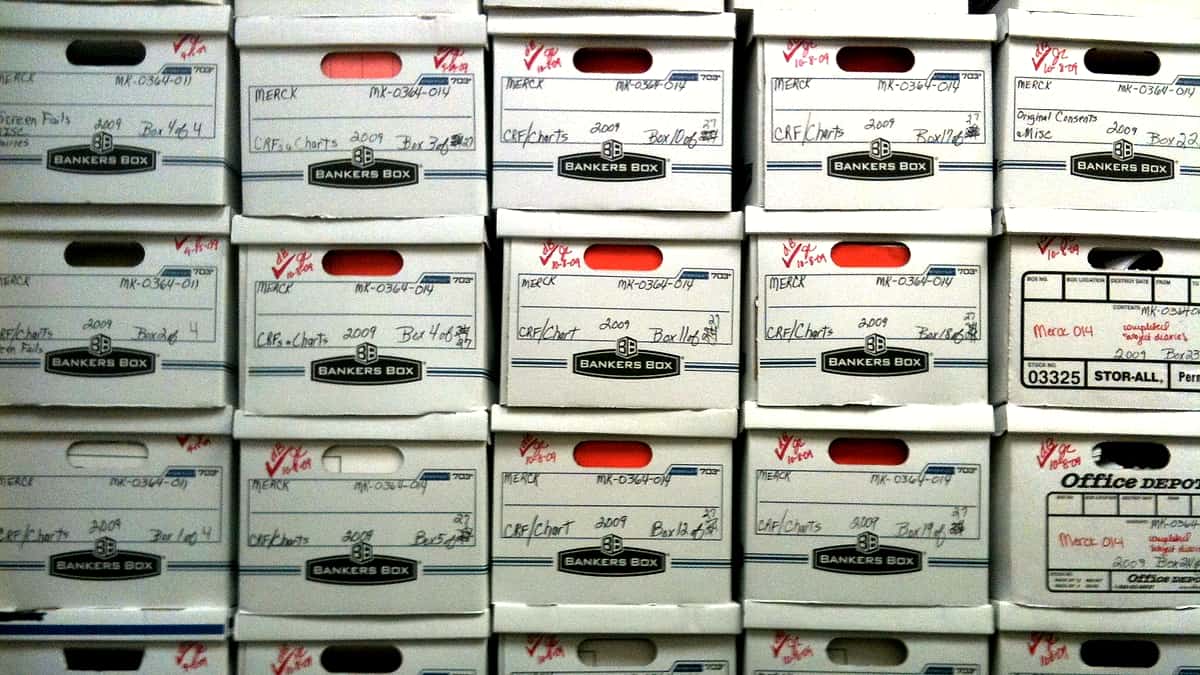
Evidence problems are usually created long before anybody anticipates a dispute. Keeping originals, documenting arrangements when they are made, using traceable payments, obtaining records while institutions still hold them and writing brief contemporaneous notes prevent most of the difficulties that later require reconstruction, secondary evidence or explanation.
The recurring pattern across every kind of evidence problem is the same. Something was not recorded, or was recorded and discarded, or existed and was never requested. None of those required foresight to prevent, only routine.
Write things down when they happen
Two sentences and a date. A note made at the time is worth more than any later account, and the effort involved is negligible.
Record arrangements about money. Whether a transfer is a gift or a loan can be settled permanently in one line, per gifts, loans and the difference.
Note conversations that matter. A short record of what was agreed, written the same day, survives when everybody's recollection has diverged.
Keep a simple chronology. A running list of dates and events, maintained casually, becomes the most useful document in any file years later.
Write in a way that lasts. Notes in an application that will be discontinued, or on a device that will be replaced, are not preserved.
Do not reconstruct later. Notes created afterwards and presented as contemporaneous are detectable and destroy the credibility of the genuine material.
Date everything. An undated note cannot be placed in a sequence, which removes most of the value it would otherwise have had.
Keep the right things
Originals of key documents. Certificates, deeds, orders and signed agreements should be kept as originals, per the difference between an original and a copy.
Complete sets rather than extracts. A full statement run kept from the outset avoids the request for missing pages years afterwards.
Documents in both languages. Where a translation was made, keeping the source document alongside it preserves the ability to argue about meaning.
Correspondence with institutions. Requests, responses and reference numbers establish diligence and are discarded more readily than the documents themselves.
Store separately from the household. Fire and flood remove entire personal archives at once, and a second copy kept somewhere else costs very little.
Keep documents that record identity. Old passports, permits and identity cards establish names, dates and movements long after they have expired and been replaced.
Keep an index. Knowing what exists and where it is kept is the difference between producing a document and searching for one.
Keep the envelopes and covering letters. Postmarks, reference numbers and covering correspondence establish when something arrived, which the document itself frequently does not.
| Habit | Prevents | Cost |
|---|---|---|
| A dated note at the time | Disputes about what was agreed | Two minutes |
| Traceable payments | Unprovable cash transfers | Nothing |
| Keeping originals | Secondary evidence applications | A folder |
| Requesting records early | Retention period losses | A letter |
| A second copy elsewhere | Total loss to fire or flood | Very little |
Create records rather than relying on memory
Use traceable payments. A bank transfer with a reference creates a record that cash never will, per cash and why it is hard to prove.
Confirm agreements in writing. A short message after a conversation, sent the same day, is a contemporaneous record neither party can later dispute.
Photograph conditions. Places, damage and states of affairs change, and an image with a date is evidence that cannot be recreated.
Ask for receipts. A receipt taken at the time is ordinary, and one requested three years later is an assertion by somebody with an interest.
Register what can be registered. Where an arrangement can be recorded formally with an authority, doing so at the time removes a whole category of later argument.
Name the purpose on payments. A transfer reference identifying what a payment was for turns an anonymous movement of money into a documented transaction.
Keep both sides. Retaining a copy of what was sent, as well as what came back, roughly doubles the usefulness of any correspondence.
Confirm what was agreed verbally. A message summarizing a conversation, sent the same day, converts an understanding into something that can be produced later.
Across every category of evidence problem, the single most common fix that was available and not taken is a dated line written at the time. What was agreed, what was paid, what was said. It takes two minutes and it settles questions that later take months.
Obtain records while they still exist
Retention periods run out. Institutional records are disposed of on schedules, and a request today produces what a request in five years will not.
Request during good relations. A former employer, landlord or partner supplies records willingly before a dispute and reluctantly afterwards.
Get certified copies early. Certification of foreign documents takes time, and obtaining it when there is no deadline is far easier.
Volatile electronic material first. Some records survive weeks rather than years, per delay, memory and what is recoverable.
Export before accounts close. Data in a service account disappears when the account does, and exporting takes minutes.
Keep what institutions send. Statements, notices and confirmations arrive routinely and are discarded routinely, which is where most gaps come from.
When a dispute first appears
Stop any deletion. Automatic processes continue destroying material unless somebody suspends them, per spoliation and missing evidence.
Send preservation requests. Material held by others is the most likely to be lost and the easiest to protect with a single letter.
Take accounts from witnesses. Recollection is at its best now and will not improve, and a short written account preserves it.
Secure the volatile material. Footage, logs and device data disappear on cycles that are shorter than any procedural timetable.
Make a list of what exists. An inventory prepared early identifies what is at risk while something can still be done about it.
Do not tidy anything. Reorganizing, discarding duplicates or cleaning up files after a dispute appears creates a problem that simply did not exist before.
Copy before examining. Working from copies leaves the originals untouched and avoids any argument about what happened to material after the dispute began.
Almost every evidence problem is created before anybody imagines a dispute, by ordinary decisions about what to write down, what to keep and what to request.
Contemporaneous notes are the single most valuable habit. A dated line recording what was agreed or paid settles questions that otherwise consume months of argument and reconstruction.
Keeping the right material matters more than keeping everything: originals of the documents that need to be originals, complete sets rather than extracts, and correspondence showing what was requested and when.
Records are easiest to obtain while nothing is at stake. Institutions dispose of material on schedules, and former employers, landlords and partners are considerably more helpful before a dispute than afterwards.
When a dispute does appear, the priorities are immediate: stop any automatic deletion, send preservation requests, take written accounts while recollection is fresh, and secure whatever disappears fastest.
Points to carry away
- Most problems are created years before the dispute.
- A dated note at the time settles what memory cannot.
- Originals matter more than copies for a small set of questions.
- Traceable payments create a record cash never will.
- Records are easiest to obtain while nothing is at stake.
Questions readers ask
What is the single most useful habit for preserving evidence?
Writing a dated note when something happens. Two sentences recording what was agreed, what was paid or what was said, written the same day, settles questions that otherwise take months to argue about years later. It is worth more than any subsequent account, however detailed, because it was made before anybody had a reason to shape it. The second most useful habit is using traceable payments rather than cash, which creates a record that no later reconstruction can substitute for.
Which documents should be kept as originals?
The small set where the physical document itself may matter: certificates issued by authorities, deeds, court orders and signed agreements. For most purposes a good copy is now accepted, and the exceptions arise where authenticity is challenged, where a signature may need examining, or where a forum specifically requires an original certified copy. Keeping the originals of that limited category, ideally stored separately from everything else, avoids a whole class of later application.
What should be done the moment a dispute appears?
Stop anything that deletes material automatically, since retention systems, backup cycles and device replacement keep running until somebody switches them off. Send preservation requests to anybody else holding relevant records, because that material is both the most likely to be lost and the easiest to protect with a single letter. Take short written accounts from witnesses while recollection is fresh. Secure the volatile electronic material first, since it disappears on cycles measured in weeks rather than years.
Sources
- Federal Rules of Evidence — Rule 803(6), Records of a Regularly Conducted Activitylaw.cornell.edu
- Federal Rules of Civil Procedure — Rule 37(e), Failure to Preserve Electronically Stored Informationlaw.cornell.edu
- Federal Rules of Evidence — Rule 803(5), Recorded Recollectionlaw.cornell.edu
- National Archives — Records Management Schedulesarchives.gov
- Federal Rules of Evidence — Rule 1002, Requirement of the Originallaw.cornell.edu
- NIST — Guide to Integrating Forensic Techniques into Incident Responsecsrc.nist.gov
True Justice Record is a publication, not a law firm. This article states general rules and cites its sources; it is not advice about any particular case, and the law differs by state and changes over time.
More in When the Proof Does Not Exist
Delay, Memory and What Is Recoverable
Delay affects evidence unevenly. Volatile electronic material is overwritten within weeks, institutional records survive for defined retention periods, and public registers persist for decades. Memory declines continuously while confidence does not, which is why late accounts can be both detailed and unreliable. Knowing the decay rates determines what to secure first.
Evidence Destroyed by Somebody Else
Where an opponent destroyed evidence after a duty to preserve arose, remedies including inferences, exclusions and sanctions become available. Where a third party or an accident destroyed it, the secondary evidence route applies instead. In every case the first task is proving what the material was, that it existed and that it is genuinely gone.
Spoliation and Missing Evidence
Spoliation is the destruction or alteration of evidence after an obligation to preserve it has arisen. The consequences range from an adverse inference through evidential exclusions to determinative sanctions, and they depend on when the duty attached, whether the loss was deliberate and how much prejudice resulted. Routine destruction before the duty arose is generally not spoliation at all.