Character evidence is generally inadmissible to show that a person acted in accordance with their character on a particular occasion, with defined exceptions. Habit and routine practice are admissible for exactly that purpose, because a habit is a specific and repeated response rather than a general disposition. The distinction is one of specificity and regularity.
Circumstantial evidence establishes a fact by inference rather than by direct observation. It is not inherently weaker than direct evidence, and a set of independent circumstances pointing the same way is frequently more difficult to displace than a single account. What matters is the strength of each inference and the independence of the items.
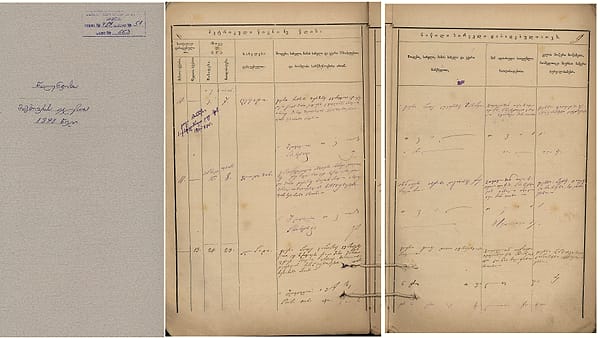
Registries differ in the level of government that holds records, in whether a central index exists, in how late registration is permitted, in what particulars are captured, and in whether religious or customary records serve the same function. Understanding the system a document came from converts an apparent gap into an explained one.
Clear and convincing evidence requires a firm belief or conviction that a proposition is true, which sits well above a bare balance of probabilities. It is applied where a determination would carry serious consequences. At this level corroboration becomes far more valuable, and gaps, inconsistencies and unexplained oddities that would be tolerable at the lower standard become the reason a case fails.
Provider-held account data is reached through the account holder or through process served on the provider. Statutory schemes distinguish sharply between the content of communications and the records about them, with content protected more heavily. Location of the servers matters less than it once did, and the identity of the corporate entity served matters a great deal.
Evidence of cohabitation is drawn from documents created for ordinary purposes that happen to record two people at the same address over time. Continuity across the whole period matters more than the quantity from any part of it, and material generated for the proceeding carries far less weight than material generated by simply living.
Consistency is weak evidence of truthfulness in both directions. Genuine recollection varies in peripheral detail while remaining stable at its core; a fabricated account is often more consistent than a real one because it was constructed once and repeated. The useful analysis asks what changed, whether it matters, and whether the change followed the arrival of new information.
Country conditions evidence describes the situation in a place, and it comes from official reporting, non-governmental organizations, academic specialists and journalism. Weight turns on the source, the currency of the material and, above all, on how closely it addresses the specific circumstances rather than the country in general.
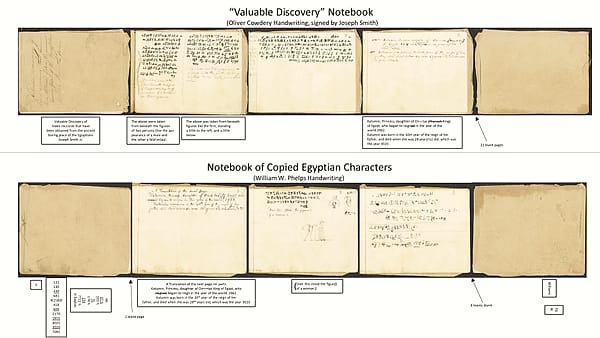
Three separate issues affect dates on foreign documents: non-Gregorian calendars requiring conversion, the ambiguity between day-month and month-day ordering, and dates that were estimated rather than recorded. Conversion is arithmetic and should be evidenced; ordering is usually resolvable from the document itself; estimation has to be acknowledged rather than resolved.
A debt to an institution is evidenced by statements, agreements and payment history, and proves itself easily. Informal debts between individuals require the same material as any other private arrangement: a contemporaneous record, a repayment history, and consistency with how the parties treated the money before the question arose. Debts asserted for the first time when they become useful attract scrutiny.
Delay affects evidence unevenly. Volatile electronic material is overwritten within weeks, institutional records survive for defined retention periods, and public registers persist for decades. Memory declines continuously while confidence does not, which is why late accounts can be both detailed and unreliable. Knowing the decay rates determines what to secure first.
Foreign divorce documents raise a documentary question and a legal one. The documentary question is authentication and translation. The legal question is whether the dissolution is recognized, which typically turns on the residence or domicile of the parties, whether both had notice and an opportunity to participate, and whether the granting body had authority. Religious dissolutions raise a further issue.