Competing expert evidence is resolved on reasoning rather than on credentials, because reasoning is the part a decision-maker can actually evaluate. Where two reports differ, the disagreement almost always sits in the assumptions applied, the material examined or the method chosen, and identifying which of the three is responsible narrows an apparently unresolvable clash into a specific question that somebody can answer.
Undisclosed assets are usually revealed by inconsistency rather than by searching. Transfers to accounts that appear nowhere else, spending that exceeds declared income, insurance and tax records filed for other purposes, and public registers all expose holdings. The consequences of non-disclosure are typically worse than the consequences of the asset itself.
Valuation opinions depend on a defined basis, a defined date and a set of assumptions, and each of those choices moves the number. Two valuations of the same asset that differ substantially are usually both defensible, because they answered slightly different questions. Comparing the assumptions is more productive than comparing the results.
A property valuation rests on a stated basis of value, a specified date and a set of comparable transactions selected by the valuer. Whether an inspection occurred determines what can be said about condition. Encumbrances, occupancy and shared ownership reduce what a figure means in practice, and each has to be evidenced separately.
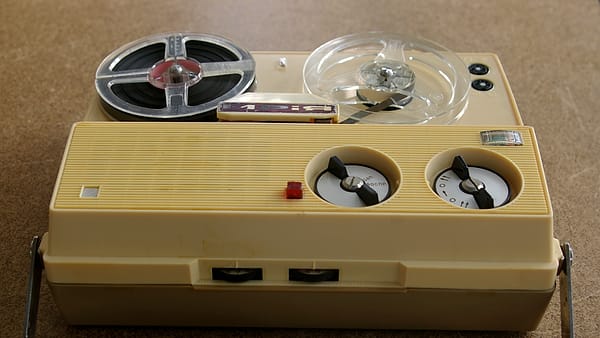
A recording is authenticated by evidence of how it was made and by whom, identification of the voices on it, and confirmation that it is complete and unaltered. Transcripts are aids rather than evidence. Editing is easy and increasingly hard to detect, so provenance carries more weight than any examination of the audio itself.
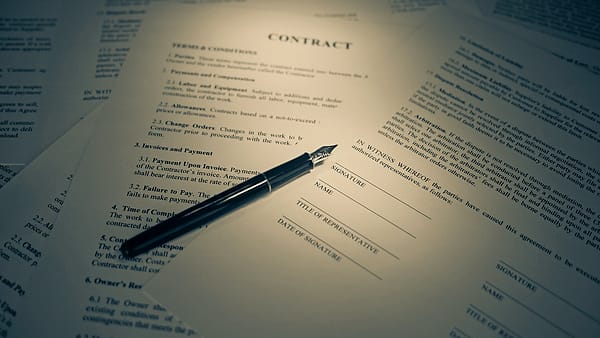
A document establishes that a particular record exists, was made by a particular body, and says what it says. It does not establish that the statements inside it are true, that the person named understood what they signed, or that nothing has changed since. Each of those is proved separately, and the formalities attached to a document decide only how much work is left over.
A disclosure request reaches existing records, held by the body asked, in the form in which they are held. It does not compel a body to create a record, to answer a question, to obtain material from elsewhere, or to analyze what it holds. Understanding those limits before drafting turns an unanswerable request into an answerable one.
A statement is a first-person account of matters within the witness's own knowledge, in their own words, identifying the source of each piece of knowledge. It is not argument, not a summary of the file, and not a vehicle for opinion. Statements that stray into those things are discounted, and the parts that mattered are lost among them.
A usable expert report identifies the question it answers, lists the material examined, separates assumptions from findings, describes the method, shows the reasoning, states the qualifications relied on and carries the declarations the forum requires. Omissions are treated as weaknesses rather than as tidiness problems.
Questioning tests four things: whether the witness perceived what they describe, whether they remember it accurately, whether they are expressing it clearly, and whether they are being honest. The first three account for nearly all successful cross-examination, and treating every line as an attack on honesty wastes the technique and antagonizes decision-makers.
A phone holds locally stored data, synchronized copies of account data held by service providers, and metadata generated by carriers. Each is reached by a different route: the device by consent or a forensic order, provider accounts by the account holder or by process served on the provider, and carrier records by process with notice.
A duplicate is admissible to the same extent as an original unless a genuine question is raised about authenticity or the circumstances make it unfair. Beyond that general rule, particular instruments require the original as a matter of their own law: negotiable instruments, wills in most states, and documents where possession itself confers a right. Agencies impose their own separate requirements.